How Arabian Script Gave My Small Business a Polished New Look
Last month I found myself staring at a plain cardboard box that would soon hold my best-selling candle. The label design was done, the scent notes were printed, and the wax was ready. But the font I had originally chosen felt cold. It was clean and safe, but it did not say handmade, thoughtful, or worthy of a gift. That is when I opened a folder of fonts I had been meaning to test and landed on Arabian Script. Within minutes I had printed a new sample, stuck it on the box, and knew I had found the missing piece of my brand identity.
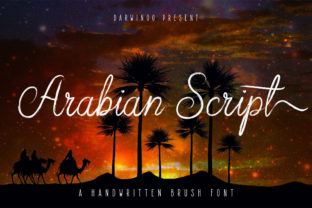
Arabian Script is an elegant script typeface with a semi-bold weight and a wonderfully textured shape. It does not feel digital or stiff. It carries a handcrafted warmth that is hard to find in standard system fonts. For a small business owner who wants to look polished without losing a personal touch, this font offers a genuine upgrade. Whether you are printing thank-you cards, refreshing your Instagram templates, or designing new product packaging, Arabian Script brings a level of care that customers notice instantly.
Why Typography Matters More Than You Think for Small Brands
When you run a small business, every detail shapes how customers perceive you. Your logo, your packaging, your social media graphics, and even your price tags all send a message. Typography is one of the most powerful tools you have for building trust and recognition. A thoughtful font choice tells people you pay attention. It signals quality before they even touch your product.
Arabian Script works especially well for short pieces of text where you want to make a strong impression. Its semi-bold weight gives it presence, while the textured edges keep it from looking too formal or distant. I have tested it on candle labels, skincare jars, boutique tags, and even a café menu. In every case, it added a sense of elegance that made the item feel more intentional. Customers do not always know why something looks better, but they feel it. That feeling keeps them coming back.
Real Ways I Used Arabian Script in My Business Materials
I started with product labels. My candle line needed a name that sat comfortably above the scent description. Arabian Script handled the product name beautifully. The semi-bold weight meant the text remained readable even at a smaller size on a 4-ounce jar. I paired it with a clean sans serif font for the scent notes and ingredients. The contrast between the flowing script and the simple modern lines created a balanced, professional look.
Next came the thank-you cards. Every order from my online shop includes a handwritten-style note. Arabian Script made the pre-printed portion feel personal and warm. I used it for the greeting and the closing, then added a short handwritten line in between. Customers have mentioned the cards feel more special than the usual insert. That is the kind of feedback that tells me the font is doing its job.
I also updated my Instagram story templates. Short phrases like new drop, back in stock, and thank you now use Arabian Script overlaid on product photos. The textured shape of the letters stands out against busy backgrounds better than a plain sans serif would. It catches the eye without screaming for attention. For small business social media, that balance is everything.
Using Arabian Script for Logos and Brand Names
If you are considering a logo refresh, Arabian Script can serve as a beautiful display font for your brand name. Because it has a semi-bold weight, it holds its own on business cards, website headers, and packaging. I have seen it work well for a coaching brand that wanted to feel approachable yet refined. It also fits handmade product lines such as soap, candles, stationery, and small-batch food items.
For logo use, I recommend testing the font at different sizes. Arabian Script is most readable when used for a single word or a short phrase. It shines as the hero element of your brand identity. If you have a longer business name, consider using it for the primary word and a simpler font for the rest. This keeps the design clear and balanced.
Readability and Practical Tips for Different Formats
One concern I often hear from other business owners is whether a script font can be read easily on small labels or mobile screens. With Arabian Script, I found the readability surprisingly strong for a decorative typeface. The semi-bold weight helps the letters stay distinct, and the textured shape adds character without muddying the form.
That said, I do recommend reserving Arabian Script for headlines, titles, logos, and short decorative text. It is a display font by nature. For long paragraphs, ingredient lists, or detailed product descriptions, pair it with a clean serif or sans serif companion. This gives your brand a clear hierarchy. Customers see the beautiful script first, then read the supporting information in a font that is easy on the eyes.
On printed materials like labels and tags, test the font at your actual print size before committing. What looks clear on a screen may need slight adjustments when printed small. I suggest printing a sample label or card before ordering a full batch. That simple step saved me from a costly mistake more than once.
Simple Font Pairing Ideas for Arabian Script
Arabian Script pairs naturally with a range of font families. If you want a modern clean look, try combining it with a simple sans serif like a geometric or humanist style. The contrast between the flowing script and the straightforward sans serif creates a professional dynamic. For a more traditional feel, a classic serif font works beautifully alongside Arabian Script. The two script-inspired styles complement each other without competing.
I have also seen Arabian Script used with a subtle handwritten font for a relaxed, artisanal brand voice. That combination works well for product packaging where you want to convey a handmade feel. Whatever pairing you choose, keep the supporting font simple. Let Arabian Script be the star, and let the other typeface support the message without stealing attention.
What to Check Before You Start Designing
Before you use Arabian Script on products, packaging, or digital assets, take a moment to review what is included in the font package. Check the available styles, file formats, and any alternate characters or ligatures. Some fonts offer multiple weights or special swashes that give you more design flexibility. Knowing what is available helps you plan your layouts more effectively.
If you plan to sell products with this font, whether printed on packaging or included in digital templates, make sure you review the commercial licensing. Many premium fonts require a separate license for commercial use, especially for merchandise, client work, or digital downloads. Script Amp and the font marketplace you purchase from will provide clear details about what is allowed. It is a small step that protects your business and respects the work of the type designer.
I also recommend checking multilingual support if your brand serves customers in different languages. Arabian Script may or may not include accented characters or special punctuation depending on the version you buy. A quick look at the character set before purchasing can save you headaches later.
Typography is one of the most affordable ways to elevate a brand. A single font can transform how your business looks and feels across every customer touchpoint. Arabian Script gave my packaging, social media, and print materials a consistent, elegant voice that I could not achieve with free fonts alone. My labels look more polished, my thank-you cards feel more personal, and my Instagram graphics stand out in a crowded feed. For any small business owner who wants to build a recognizable brand without a full redesign, this font is a smart place to start.